Keeping your windows sparkling clean can instantly transform your home brightening rooms, boosting curb appeal, and even improving your mood. But if you’ve ever finished cleaning your windows only to find streaks, smudges, or spots that just won’t go away, you’re not alone.
Many homeowners unknowingly make simple mistakes that make the job harder and the results less impressive. The good news? With a few pro tips and small adjustments, you can get flawless, streak-free windows every time.
Here’s the top 10 window cleaning mistakes homeowners make and how to avoid them.
1. Cleaning Windows on a Sunny Day
It might seem logical to clean your windows when the sun is shining bright. After all, sunlight makes it easier to see dirt and streaks. But that’s exactly the problem.
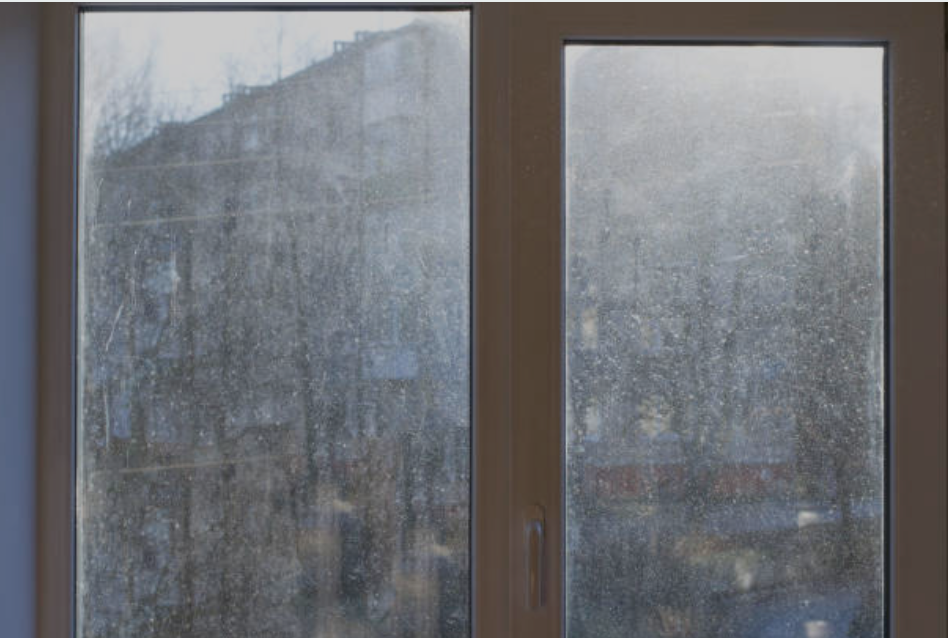
When you clean windows under direct sunlight or high heat, the cleaning solution dries too quickly, leaving streaks and residue behind before you can wipe it off.
How to avoid it:
Pick a cloudy or overcast day instead. The slower drying time lets you properly clean and polish the glass. Early morning or late afternoon are also great times when sunlight isn’t as harsh.
2. Using the Wrong Cleaning Solution
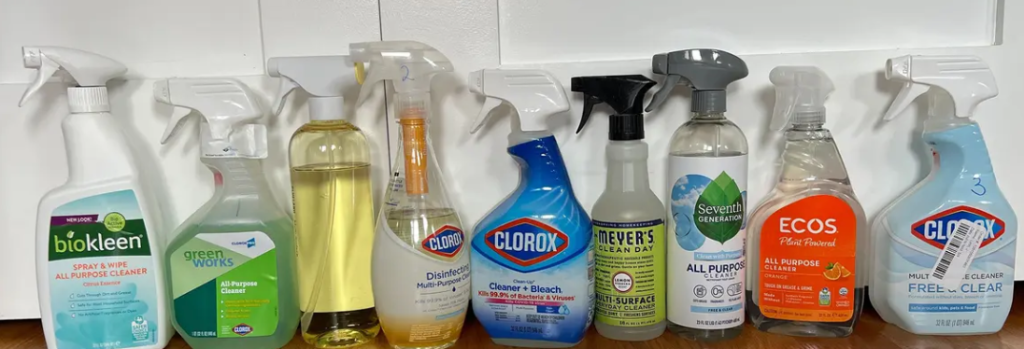
A common mistake is grabbing whatever household cleaner you have under the sink like ammonia, vinegar, or even dish soap and expecting professional results. While some DIY mixes can work, others leave residue or damage window coatings.
How to avoid it:
If you prefer store-bought products, choose one specifically made for glass. For a safe, effective DIY option, mix one part distilled white vinegar to ten parts water. Avoid harsh chemicals or cleaners with sudsing agents that can leave streaks.
3. Forgetting to Clean the Frames and Sills
Many homeowners focus only on the glass itself, ignoring the frames, tracks, and sills. Unfortunately, these areas collect dust, pollen, and grime that can transfer right back onto your clean windows undoing all your hard work.
How to avoid it:
Start every window cleaning session by vacuuming or wiping down the frames, tracks, and sills first. Use a damp microfiber cloth or a small brush for corners and crevices. This prevents dirt from spreading back to the glass later.
4. Using Paper Towels or Newspapers
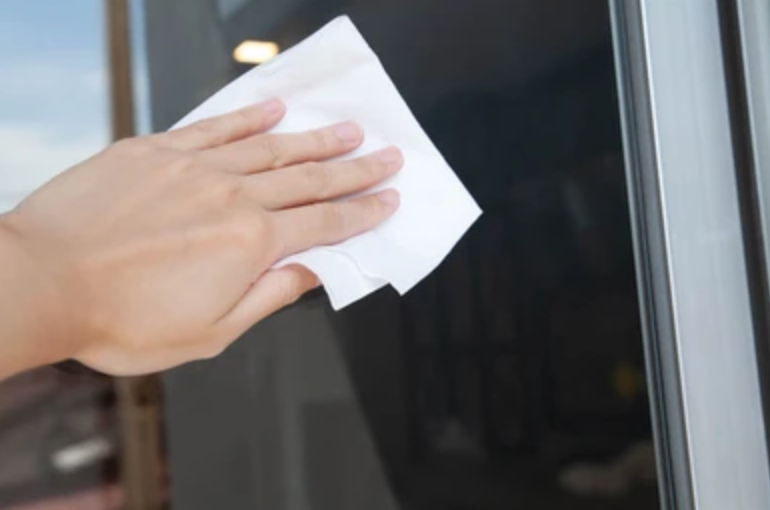
Paper towels and old newspapers used to be the go-to tools for window cleaning, but they’re far from ideal today. Paper towels often leave lint behind, and newspapers can smear ink onto the glass.
How to avoid it:
Use a microfiber cloth or squeegee instead. Microfiber picks up dust and absorbs moisture without scratching or streaking. If you prefer a squeegee, use smooth, overlapping strokes and wipe the blade clean after each pass.
5. Using Dirty Tools
Using the same dirty rag, bucket of water, or old squeegee over and over will only spread grime rather than remove it. Residue from previous cleanings especially if you’re using hard water can cause streaks and spots.
How to avoid it:
Always start with clean tools and fresh water. Rinse your squeegee blade between windows, and wash microfiber cloths regularly (without fabric softener, which can reduce absorbency). If your water is hard, use distilled water for the best results.
6. Not Removing Dust or Cobwebs First
Trying to clean a window covered in dust, pollen, or cobwebs without removing them first can turn your cleaning solution into a muddy mess. It’s a simple step that many skip and it can make the job twice as long.
How to avoid it:
Before you spray anything, use a soft brush, duster, or dry microfiber cloth to wipe off loose debris. This keeps your cleaning solution clear and prevents smearing dirt across the glass.
7. Skipping the Screens
You can have spotless glass, but if your window screens are dirty, your windows will still look cloudy. Screens trap dust, bugs, and pollen that can blow back onto your freshly cleaned panes.
How to avoid it:
Remove screens before cleaning your windows. Wash them gently with warm water, mild soap, and a soft brush, then rinse and let them dry completely before reinstalling. Do this at least once or twice a year especially in spring and fall.
8. Cleaning Too Little (or Too Much)
Window cleaning isn’t a one-time task. Some homeowners clean too infrequently, allowing dirt and hard water stains to build up. Others clean too often, which can cause unnecessary wear on glass and frames.
How to avoid it:
For most homes, clean windows twice a year in spring and fall. If you live near the ocean, in a high-pollen area, or somewhere dusty, consider quarterly cleanings. Regular maintenance prevents buildup and makes each cleaning easier.
9. Ignoring Hard Water Stains and Mineral Deposits
If your windows have cloudy spots that don’t go away after cleaning, you may be dealing with hard water stains caused by minerals like calcium and magnesium. These stains can etch into glass over time if ignored.
How to avoid it:
For light stains, use a mixture of vinegar and water or a specialized hard water stain remover. For tougher deposits, try using a fine-grade steel wool pad gently with water but never use it on tinted or coated glass. Prevent future stains by directing sprinklers away from windows.
10. Not Hiring Professionals When Needed
Some windows are simply difficult or dangerous to clean on your own, especially second-story or skylight windows. Many homeowners risk injury or damage by using unstable ladders or the wrong equipment.
How to avoid it:
If your windows are high, large, or in awkward spots, it’s best to hire a professional window cleaning service. They have the tools, safety gear, and expertise to get the job done efficiently and safely. Plus, pros can spot early signs of damage like cracked seals or wood rot before they become costly repairs.
Bonus Tip: Finish with a Final Inspection
Once you’ve cleaned your windows, take a few minutes to inspect them from multiple angles both inside and out. Natural light reveals streaks or missed spots that artificial light might hide. Touch up with a clean, dry microfiber cloth where needed.
This final check ensures you’ll enjoy that truly spotless, professional look.
Final words about mistakes
Window cleaning doesn’t have to be a frustrating chore filled with streaks and smudges. By avoiding these common mistakes and following a few best practices, you can make your glass gleam like it was professionally cleaned.
Remember the key is using the right tools, working in the right conditions, and paying attention to details like frames, screens, and skills. If you ever find yourself struggling with hard-to-reach windows or stubborn stains, don’t hesitate to call in the experts.
With the right approach, clean windows can enhance your home’s appearance, let in more natural light, and even help you feel a little brighter too.