Whether you’re a homeowner finishing a remodel, a property manager cleaning after tenants, or a contractor doing final touches before a handoff, cleaning construction debris off windows can be tricky. If done incorrectly, you risk scratching or permanently damaging the glass or tint.

In this detailed guide, we’ll walk you through how to safely and effectively remove paint, tape, and construction dust from windows, step by step using the right tools, techniques, and products to get them spotless again.
Why Cleaning Construction Debris Off Windows Is Tricky
Construction debris isn’t like normal dirt or fingerprints. You’re dealing with materials that are bonded to glass dried paint, adhesive, or fine dust that can scratch if wiped improperly.
Here’s why it’s important to approach this job carefully:
- Paint and sealants dry into tough layers that bond to glass surfaces. Scraping too aggressively can cause micro-scratches or gouges.
- Adhesive tape residue collects dust and hardens, leaving a sticky mess that smears instead of wiping off.
- Construction dust often contains particles like drywall or cement, which are abrasive and can scratch windows instantly if rubbed dry.
So, while it might seem like just another cleaning task, post-construction window cleaning requires a methodical, gentle approach and a few specialized tools.
Step 1: Gather the Right Tools and Materials
Before diving in, it’s crucial to prepare the right cleaning materials. Using the wrong sponge, cloth, or chemical can do more harm than good.
You’ll need:
- Microfiber cloths (lint-free)
- Soft-bristle brush or duster
- Plastic scraper or razor blade (for glass only)
- Bucket of warm water
- Mild dish soap or window cleaner
- Glass-safe solvent (for tape residue)
- White vinegar or rubbing alcohol
- Spray bottle
- Rubber gloves
- Paper towels or newspaper
- Optional: Window squeegee
Pro tip:
If your windows are tinted, specialty coated, or low-E glass, skip harsh solvents and abrasive pads these can ruin the finish. Always test any cleaner on a small, hidden corner first.
Step 2: Start with a Dry Dusting
Before touching the glass with water, you need to remove all the loose debris.
How to do it:
- Use a soft-bristle brush or microfiber duster to gently wipe the surface of the glass and window frames.
- Work from top to bottom to prevent dust from settling back onto clean sections.
- Don’t forget to dust the tracks, sills, and corners, where construction dust loves to collect.
Avoid using rags or paper towels at this stage they can grind grit into the glass and cause scratches.
Step 3: Remove Construction Dust and Film
Once the loose particles are gone, it’s time to wash away the fine dust and construction film that’s still clinging to the glass.
Steps:
- Mix a few drops of mild dish soap into a bucket of warm water.
- Dip your microfiber cloth into the solution, wring it out, and gently wipe the window in circular motions.
- Rinse the cloth frequently in clean water to avoid spreading residue.
- Dry with a clean, dry microfiber cloth or a window squeegee for a streak-free finish.
If your windows still look hazy, that’s likely plaster or drywall dust film. In that case, repeat the cleaning process or use a 50/50 mix of white vinegar and water in a spray bottle to dissolve the haze.
Step 4: Remove Paint from Glass
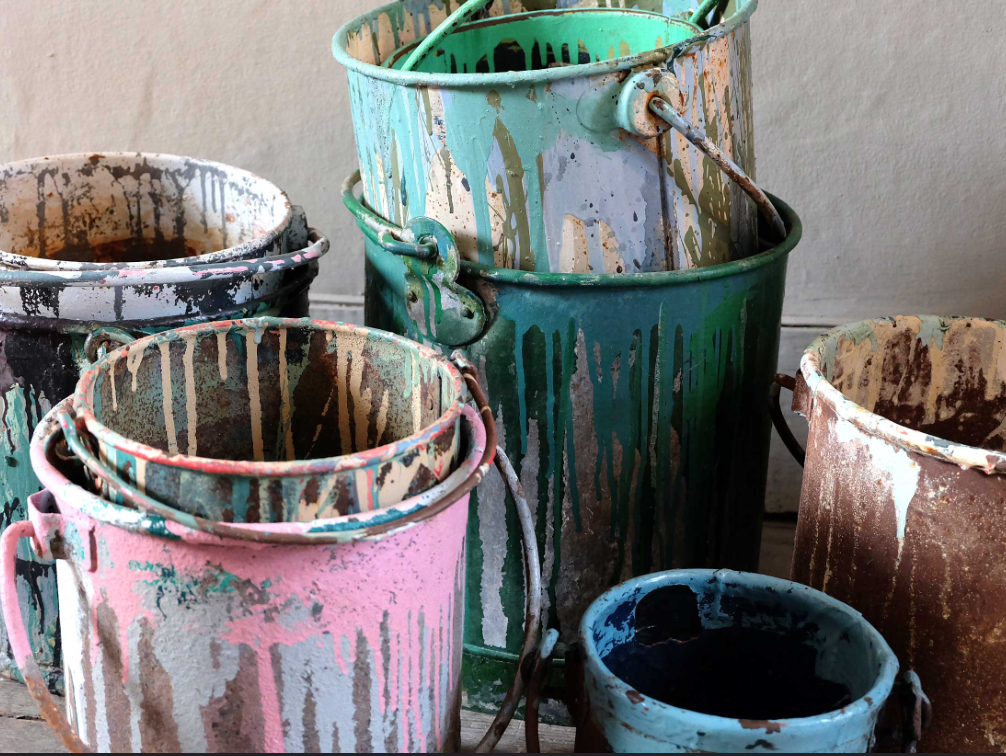
Paint splatters are one of the most common post-construction window problems and one of the easiest to make worse if you’re not careful.
Here’s how to remove paint safely:
For latex paint:
- Soften the paint by applying a cloth soaked in warm, soapy water over the splatter for a few minutes.
- Once softened, use your fingernail or a plastic scraper to gently lift the paint.
- Wipe clean with a damp microfiber cloth.
For oil-based paint:
- Dampen a cloth with rubbing alcohol or mineral spirits and apply it to the affected area.
- Wait a minute or two to let it dissolve the paint.
- Gently scrape with a razor blade held at a 45° angle always on wet glass to avoid scratching.
- Wipe away the residue immediately after scraping.
Important razor blade safety tips:
- Always use a fresh, clean blade. A dull or rusty one can scratch the glass instantly.
- Keep the glass wet while scraping.
- Avoid using a razor blade on tinted or coated windows; use only a plastic scraper in those cases.
Step 5: Remove Tape and Adhesive Residue
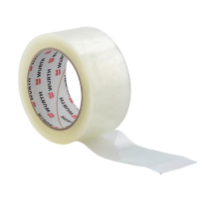
How to remove tape residue:
- Peel off as much tape as possible by hand, pulling slowly and steadily.
- Spray a bit of vinegar, rubbing alcohol, or adhesive remover directly on the sticky spots.
- Let it sit for 2–3 minutes to dissolve the glue.
- Gently rub with a microfiber cloth or use a plastic scraper to lift off softened residue.
- Wipe clean with warm, soapy water to remove any leftover solvent.
For stubborn adhesive:
If the residue remains sticky after several tries, try heating it with a hair dryer on a low setting for 15–20 seconds. The gentle heat softens the glue, making it easier to wipe off.
Step 6: Final Wash and Polish
After removing paint, tape, and dust, you’ll want to give your windows a final clean and polish for that professional sparkle.
Steps:
- Spray your glass cleaner (or a vinegar-water solution) evenly across the window.
- Wipe with a clean microfiber cloth using circular motions.
- Use a squeegee to remove excess moisture, starting from the top and moving downward.
- Dry the edges and corners with a lint-free towel or paper towel.
This final step removes any streaks, fingerprints, or chemical residue left behind, restoring crystal-clear glass.
Step 7: Clean Window Frames and Tracks
A perfect-looking window isn’t just about the glass; dirty frames or clogged tracks can ruin the overall finish and even affect how smoothly your windows open and close.
To clean window frames:
- Wipe down frames with warm, soapy water and a soft sponge.
- For metal or vinyl frames, avoid abrasive pads that can scratch or dull the surface.
- Rinse thoroughly and dry with a microfiber cloth.
To clean window tracks:
- Use a vacuum with a brush attachment to suck up loose dust and debris.
- Wipe with a damp cloth or an old toothbrush dipped in soapy water.
- Dry with paper towels or compressed air.
Common Mistakes to Avoid
Even professionals can make mistakes when cleaning windows after construction. Here’s what to watch out for:
- Using dry cloths on dusty glass always wipes with moisture to avoid scratches.
- Skipping the test spot always tests solvents and scrapers on an inconspicuous corner first.
- Using abrasive pads or steel wool these can permanently damage glass and coatings.
- Cleaning in direct sunlight causes streaks as water and cleaner evaporate too quickly.
- Forgetting to protect surrounding areas, solvents and blades can damage frames or seals if you’re not careful.
Recommended Cleaning Products (Glass-Safe)
If you’re not sure what products are safe to use, these are some trusted options that won’t damage your glass or tint:
- Vinegar-based window cleaner – natural and safe for most glass.
- Goo Gone® or 3M Adhesive Remover – great for sticky residue.
- Dawn® dish soap – gentle but effective for cutting through grime.
- Sprayway® Glass Cleaner – ammonia-free and streak-free.
- Plastic scrapers from Unger or Ettore – safe alternatives to razor blades.
When to Call a Professional
If you’re dealing with large commercial windows, high-rise exteriors, or tinted/specialty glass, it’s often best to call in a professional window cleaning company.
Professionals have access to:
- Pure water cleaning systems (for streak-free results)
- Commercial-grade scrapers and solvents
- Safety gear for high or hard-to-reach windows
- Knowledge of different coatings and tint types
It may cost a bit more upfront, but it guarantees your windows are cleaned safely without risk of scratches or voiding warranties.
Final Wipe
Post-construction window cleaning can be tedious, but with patience and the right tools, you can restore your windows to spotless clarity without causing damage.
Here’s a quick recap of the process:
- Dust first removes loose debris.
- Wash gently to clear off fine dust.
- Remove paint, use safe scraping and solvents.
- Lift tape residue, soften and wipe carefully.
- Final polish for streak-free shine.
- Clean frames and tracks for the complete finish.
Your windows are one of the first things people notice whether it’s a new home, office, or remodel. Clear, gleaming windows not only look great but also let in the light and showcase your hard work.
So, take your time, use the right products, and remember: a gentle approach always wins when it comes to glass care.