Few things are more frustrating than cloudy windows that never seem to get clean. You scrub, rinse, and wipe yet the glass still looks dull and spotted. When this happens, many homeowners begin to wonder whether the problem is permanent. Is it time to replace the glass, or can a hard water stain still be removed?
The answer depends on the severity of the damage. Hard water stains range from light surface residue to deep mineral etching that permanently alters the glass. Understanding the difference can save you thousands of dollars and help you choose the right solution.
Let’s break down when removal is possible, when replacement makes sense, and how professionals evaluate hard water–damaged glass.
What Causes Glass Damage from Hard Water Stains?
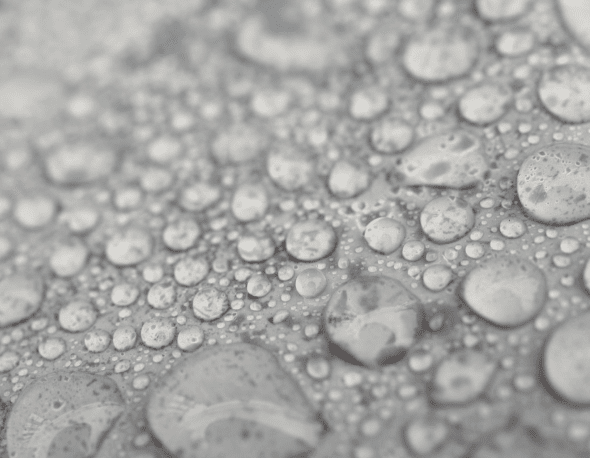
A hard water stain forms when mineral-rich water dries on glass and leaves behind calcium and magnesium deposits. Over time, repeated exposure causes these minerals to build up and bond to the surface.
As the stain ages, it can:
- Harden and become more resistant to cleaning
- Chemically react with the glass surface
- Create microscopic pits and etching
- Reduce clarity and reflectivity
At a certain point, the damage goes beyond simple residue removal.
Surface-Level Hard Water Stains vs. Etched Glass
Before deciding whether to remove or replace glass, it’s important to understand the two main categories of hard water stains.
Surface-Level Hard Water Stains
These are mineral deposits sitting on top of the glass. They often appear as:
- White spots or streaks
- Chalky or cloudy residue
- Areas that feel rough to the touch
Surface-level hard water stains can usually be removed using professional cleaning solutions and techniques.
Etched Hard Water Damage
Etching occurs when minerals chemically bond with the glass itself. This causes:
- Permanent cloudiness
- A frosted or hazy appearance
- Distorted reflections
- Damage that remains after cleaning
Once etching has occurred, the glass is no longer smooth at a microscopic level.
When Hard Water Stain Removal Is the Better Option
In many cases, professional removal is not only possible, it’s the smarter and more cost-effective choice.
Removal Makes Sense When:
- Stains are surface-level or mild
- Glass still has visible clarity underneath
- Etching is minimal or shallow
- The glass structure is intact
Professional hard water stain removal typically involves:
- Mineral-dissolving solutions
- Controlled scraping techniques
- Glass polishing compounds
- Mechanical restoration methods
This process can restore clarity without the high cost of replacement.
Cost Advantage of Removal
Removing a hard water stain is usually far less expensive than replacing:
- Window panes
- Sliding glass doors
- Shower enclosures
- Commercial storefront glass
In many cases, removal costs a fraction of full replacement.
When Glass Replacement Is the Better Choice
Unfortunately, not all hard water–damaged glass can be saved.
Replacement May Be Necessary If:
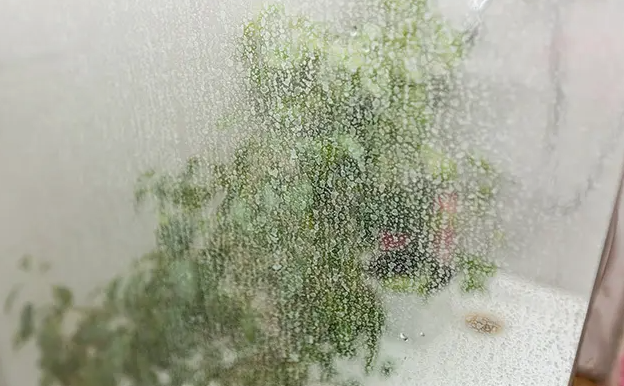
- Etching is deep and widespread
- Glass appears permanently cloudy
- Polishing would weaken the glass
- Cracks or structural damage are present
- The cost of restoration approaches replacement
Severely etched glass may improve slightly with polishing, but it may never return to full clarity.
How Professionals Decide Between Removal and Replacement
Professional cleaners and restoration specialists evaluate several factors before recommending removal or replacement.
Depth of Damage
They determine whether the hard water stain is surface-level or etched into the glass.
Location of the Glass
Exterior windows exposed to sprinklers may have uneven damage that affects restoration success.
Safety Considerations
Excessive polishing can thin glass, making it more prone to cracking.
Cost Comparison
Professionals compare the cost of removal versus replacement to determine the most practical option.
This expert evaluation prevents unnecessary replacement while ensuring long-term results.
Why DIY Cleaning Can Lead to Premature Replacement
Many homeowners unintentionally make hard water damage worse by attempting aggressive DIY removal.
Common mistakes include:
- Scraping with razor blades
- Using abrasive pads or powders
- Applying harsh acids repeatedly
- Mixing cleaning chemicals
These methods may remove some visible residue but often:
- Scratch the glass
- Deepen existing etching
- Reduce restoration options
- Accelerate the need for replacement
What starts as a removable hard water stain can become permanent damage due to improper cleaning.
The Role of Prevention After Removal or Replacement
Whether you remove or replace the glass, preventing future hard water stains is essential.
Prevention Strategies Include:
- Adjusting sprinkler heads away from windows
- Installing water softening systems
- Applying hydrophobic glass coatings
- Drying glass after exposure
- Scheduling routine professional maintenance
Preventative measures protect your investment and extend the lifespan of your glass.
Long-Term Value: Removal vs. Replacement
Choosing removal when possible offers several long-term benefits:
- Lower upfront cost
- Faster turnaround
- Less disruption
- Environmentally friendly option
Replacement, while sometimes necessary, should usually be a last resort once removal is no longer viable.
So What To Do?
Deciding whether to remove or replace glass damaged by a hard water stain depends on the severity of the damage, not just how it looks. Many hard water stains can be safely and effectively removed by professionals, restoring clarity and extending the life of your glass.
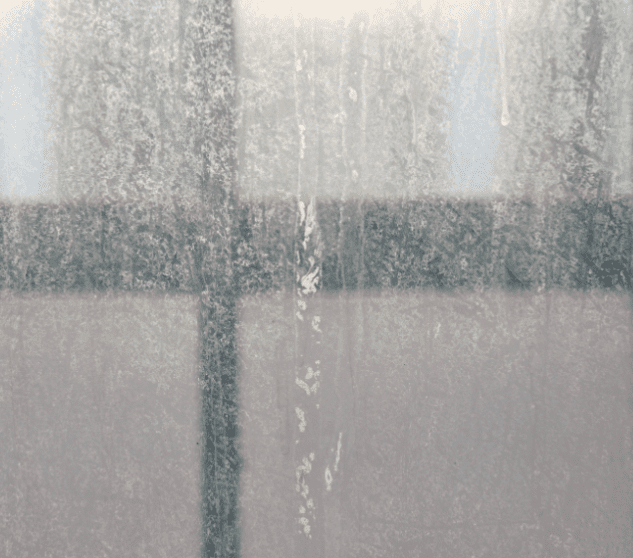
However, once etching becomes deep and permanent, replacement may be the only option. The key is addressing hard water stains early and avoiding DIY methods that worsen the damage.
A professional assessment can help you make the most cost-effective decision while protecting your windows, doors, and glass surfaces for years to come.