If you’ve ever noticed cloudy white spots on your windows, streaks on your shower doors, or chalky buildup on faucets, you’re not alone. These stubborn marks are known as hard water stain, and they’re one of the most common (and frustrating) cleaning problems for homeowners and businesses alike.
At first glance, a hard water stain may seem like a simple surface issue but in reality, it’s a chemical process that worsens over time. Left untreated, hard water stains can permanently damage glass, metal, and other surfaces. That’s why professional removal techniques often go far beyond basic household cleaning.
In this article, we’ll break down:
- What hard water is and how a hard water stain forms
- Why these stains are so difficult to remove
- Common DIY mistakes that make stains worse
- How professionals safely and effectively remove hard water stains
- How to prevent future buildup
Let’s start with the basics.
What Is Hard Water?
Hard water is water that contains high levels of dissolved minerals primarily calcium and magnesium. As water flows through underground rock and soil, it naturally absorbs these minerals. The higher the mineral content, the “harder” the water.
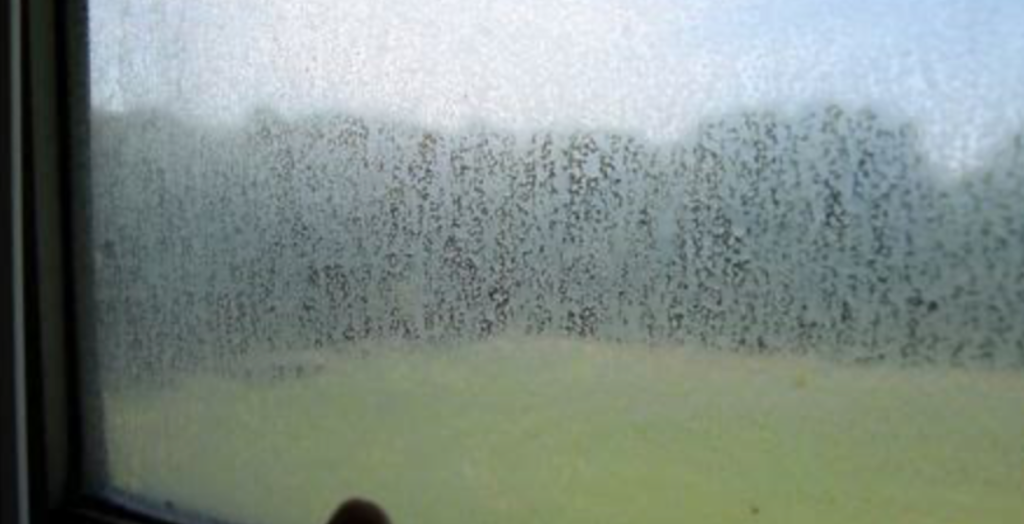
Hard water itself isn’t dangerous to your health, but it can cause serious issues for plumbing, appliances, and surfaces around your home. When hard water evaporates, it leaves those minerals behind and that’s how a hard water stain is born.
How a Hard Water Stain Forms
A hard water stain forms through a repeated cycle of water contact and evaporation. Here’s how it happens step by step:
1. Water Makes Contact
Hard water comes into contact with surfaces like windows, glass shower doors, mirrors, faucets, tiles, or even vehicles.
2. Water Evaporates
After the water dries, it doesn’t disappear completely. The minerals dissolved in the water remain on the surface.
3. Mineral Deposits Build Up
Over time, calcium and magnesium deposits accumulate, forming visible spots, streaks, or cloudy residue.
4. Stains Harden and Bond
As layers build up, the minerals chemically bond to the surface. At this stage, a hard water stain becomes etched into glass or embedded in porous materials.
This is why older hard water stains are much harder to remove than fresh ones.
Where Hard Water Stains Commonly Appear
A hard water stain can appear almost anywhere water is present, but some areas are especially vulnerable:
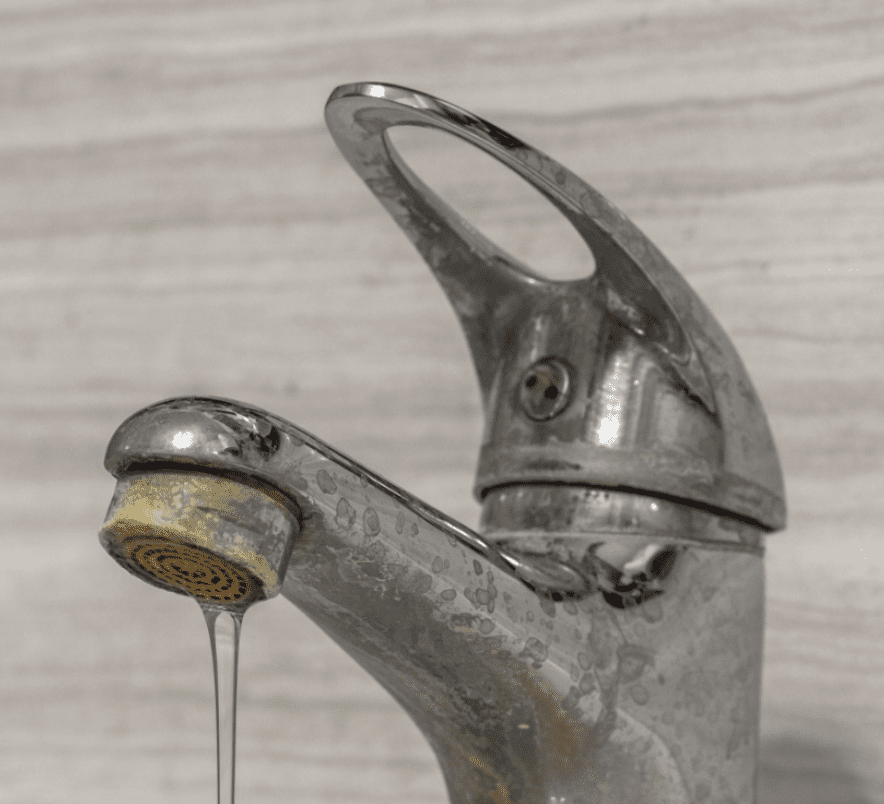
- Windows (especially exterior windows exposed to sprinklers)
- Shower doors and bathroom glass
- Faucets and fixtures
- Sinks and tubs
- Tile and grout
- Toilets
- Car windows and paint
- Solar panels
Outdoor surfaces are particularly at risk because sprinkler systems often use untreated hard water and spray repeatedly onto the same areas.
Why Hard Water Stains Are So Hard to Remove
Many people assume a hard water stain is just dirt or grime but that’s where things get tricky.
Mineral Etching
On glass, minerals can actually etch the surface, creating microscopic pits. Once etching occurs, no amount of soap will remove the stain completely without professional intervention.
Chemical Bonding
Calcium carbonate bonds tightly to glass and metal. Regular cleaners are not acidic enough to break this bond.
Layered Buildup
Most stains aren’t just one layer thick. Years of mineral deposits stack on top of each other, making removal progressively harder.
This is why wiping harder or using abrasive tools often makes the problem worse.
Common DIY Mistakes That Make Hard Water Stains Worse
When dealing with a hard water stain, well-intentioned DIY cleaning can actually cause permanent damage. Some of the most common mistakes include:
Using Abrasive Pads or Razor Blades
Steel wool, scouring pads, and razor blades can scratch glass and metal, leaving permanent marks.
Overusing Vinegar
While vinegar is mildly acidic and can help with light stains, it’s often ineffective on severe hard water stains and may damage seals, frames, or stone surfaces.
Mixing Cleaning Chemicals
Combining products like bleach and acids is dangerous and ineffective for mineral removal.
Ignoring the Stain for Too Long
The longer a hard water stain sits, the more it bonds to the surface making professional removal more expensive or, in some cases, impossible.
How Professionals Remove Hard Water Stains
Professional cleaners use specialized tools, products, and techniques designed specifically for hard water stain removal. Here’s what sets professional methods apart.
1. Surface Assessment
Professionals first determine:
- The severity of the hard water stain
- The type of surface (glass, metal, tile, stone)
- Whether etching has occurred
This assessment ensures the safest and most effective approach.
2. Professional-Grade Acidic Solutions
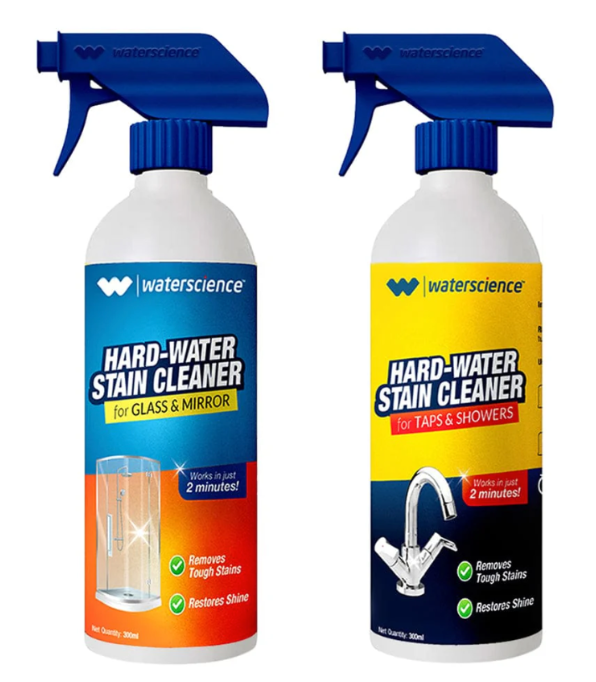
Unlike household cleaners, professional solutions are formulated to dissolve mineral deposits without damaging the surface. These products break down calcium and magnesium at a molecular level.
3. Mechanical Polishing (for Glass)
For etched glass, professionals use polishing compounds and orbital machines to restore clarity. This process removes microscopic layers of damaged glass to eliminate the hard water stain.
4. Controlled Scraping Techniques
In some cases, professionals use specialized blades at precise angles to safely remove buildup something that requires training and experience.
5. Neutralization and Rinsing
After removal, surfaces are neutralized to stop chemical reactions and prevent future damage.
6. Protective Treatments
Many professionals apply sealants or water-repellent coatings that make it harder for minerals to stick, slowing future hard water stain formation.
Why Professional Removal Is Worth It
Hiring professionals to remove a hard water stain offers several advantages:
- Restores glass clarity and shine
- Prevents permanent surface damage
- Extends the life of windows, fixtures, and tiles
- Saves time and frustration
- Improves the overall appearance of your home or business
In many cases, professional removal is far more cost-effective than replacing damaged glass or fixtures.
How to Prevent Hard Water Stains in the Future
Once a hard water stain is removed, prevention becomes key.
Install a Water Softener
Water softeners reduce mineral content at the source, dramatically lowering stain formation.
Use Spot-Free Rinsing
Deionized or filtered water prevents mineral residue from forming after cleaning.
Wipe Surfaces Dry
Drying glass and fixtures after use prevents evaporation and mineral deposits.
Apply Protective Coatings
Glass sealants and hydrophobic coatings create a barrier between water and the surface.
Schedule Regular Professional Cleaning
Routine maintenance prevents buildup before it turns into a stubborn hard water stain.
Final Cleanse
A hard water stain may start small, but over time it can cause serious cosmetic and structural damage to your windows, fixtures, and surfaces. Understanding how these stains form and why they’re so difficult to remove highlights the importance of proper cleaning methods and professional care.
While DIY solutions may help with light buildup, professional hard water stain removal is the safest and most effective way to restore surfaces and protect your investment. With the right treatment and preventative steps, you can keep your glass crystal clear and your home looking its best for years to come.